Few household problems can become as frustrating as discovering water damage in a bathroom. What may begin as a small puddle near the toilet, a leaking shower, or an overflowing sink can quickly spread beneath flooring, behind walls, and into surrounding materials. Bathrooms are exposed to moisture every day, making them especially vulnerable to hidden water damage if leaks are ignored or cleanup is delayed. Even a seemingly minor issue can develop into expensive repairs if moisture remains trapped inside the structure. Learning the proper steps for cleaning up bathroom water damage can help homeowners minimize damage, protect their property, and restore the affected area before the problem worsens. Contact an expert to Learn More.
What Causes Water Damage in a Bathroom?
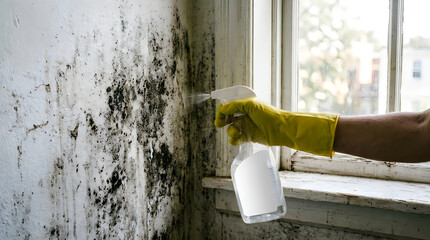
Bathrooms contain numerous plumbing fixtures that are used multiple times each day, making them one of the most common locations for residential water damage. Toilets, sinks, bathtubs, showers, and water supply lines all have the potential to develop leaks over time. Even worn caulking around a bathtub or shower can allow water to seep behind walls where it remains hidden for weeks or months. Because these leaks often develop gradually, homeowners may not recognize the problem until visible damage begins to appear. Understanding the common causes of bathroom water damage helps homeowners identify potential issues before they become serious.
Overflowing fixtures are another frequent source of bathroom water damage. A clogged drain can cause a bathtub or sink to overflow unexpectedly, allowing water to spread across flooring and into adjacent rooms. Broken supply lines beneath sinks or behind toilets may release significant amounts of water in a short period. High humidity also contributes to moisture problems by creating condensation on walls, mirrors, windows, and plumbing fixtures. Without proper ventilation, repeated exposure to excess moisture can gradually affect surrounding building materials. Recognizing these potential sources allows homeowners to respond more quickly when problems occur.
What Should You Do Immediately After Discovering Water Damage?
The first priority after discovering bathroom water damage is stopping the source of the water whenever it is safe to do so. If a plumbing fixture is leaking, turning off the local shutoff valve or the home’s main water supply can help prevent additional water from entering the affected area. Once the leak has been controlled, homeowners should remove standing water as quickly as possible using towels, mops, or other appropriate methods. The longer water remains on flooring and surrounding materials, the greater the likelihood of permanent damage. Acting promptly often reduces both repair costs and restoration time.
After standing water has been removed, the bathroom should be ventilated to encourage drying. Opening windows, operating exhaust fans, and increasing airflow help reduce excess moisture inside the room. Wet rugs, bath mats, towels, and other absorbent materials should be removed so they can dry separately. Personal belongings stored inside cabinets or on the floor should also be relocated to prevent additional damage. Early action limits moisture absorption and helps slow the spread of water into nearby walls, flooring, and cabinetry.
How Can You Identify Hidden Bathroom Water Damage?
Visible water is only part of the problem because moisture frequently spreads into areas that cannot be seen easily. Water often travels beneath flooring, behind baseboards, inside wall cavities, and under bathroom vanities before noticeable damage appears. Homeowners should inspect nearby walls for discoloration, peeling paint, bubbling finishes, or soft areas that feel different when gently pressed. Flooring should also be checked for warping, loose tiles, or areas that feel spongy while walking. These changes often indicate that hidden moisture has already affected structural materials.
Unusual odors may also reveal hidden water damage before visible signs develop. A persistent musty smell often indicates that moisture remains trapped behind walls or beneath flooring. Cabinet interiors, especially beneath sinks, should be inspected for dampness, staining, or swelling of wood materials. Homeowners should also look for gaps developing between flooring materials or trim that previously fit tightly together. Recognizing these subtle warning signs allows problems to be addressed before they spread further throughout the bathroom and surrounding rooms.
Why Is Thorough Drying So Important?
Removing visible water is only the beginning of the cleanup process because moisture trapped inside building materials continues causing damage long after surfaces appear dry. Drywall, wood framing, subflooring, insulation, and cabinetry readily absorb water when exposed. If these materials remain damp for extended periods, they gradually weaken and lose their structural stability. Proper drying helps preserve these materials and reduces the need for extensive replacement. Thorough drying is one of the most important steps in successful bathroom water damage cleanup.
Air circulation plays a major role in removing trapped moisture from the affected area. Keeping the bathroom well ventilated allows damp surfaces to dry more efficiently while reducing humidity levels. Homeowners should continue monitoring the room over the following days for signs that moisture may still be present. Lingering odors, recurring stains, or damp surfaces may indicate that water remains hidden inside the structure. Taking the time to ensure complete drying helps prevent ongoing deterioration and supports a more successful restoration process.
How Can You Prevent Further Damage During Cleanup?
Careful cleanup helps reduce the likelihood of additional damage while protecting unaffected portions of the home. Wet materials should be separated from dry items whenever possible to prevent moisture from spreading. Bathroom cabinets should be emptied if water has entered their interiors so contents can dry properly. Flooring should remain free of standing water, and saturated bath mats or rugs should not be returned until they have dried completely. Maintaining good airflow throughout the cleanup process supports continued moisture removal.
Homeowners should also avoid overlooking small leaks simply because the visible damage appears minor. A tiny plumbing drip hidden beneath a vanity can eventually damage flooring, drywall, and cabinetry if left unresolved. Plumbing fixtures should be inspected carefully after cleanup to ensure no additional leaks remain. Caulking around tubs, showers, and sinks should also be evaluated because deteriorated sealants often contribute to repeated moisture problems. Addressing these maintenance concerns during cleanup helps reduce the risk of future water damage.
What Are Some Ways to Help Prevent Bathroom Water Damage?
Preventing bathroom water damage begins with regular inspection and routine maintenance. Plumbing fixtures, supply lines, faucets, and drain connections should be checked periodically for signs of leaks or corrosion. Homeowners should pay close attention to the areas beneath sinks and around toilets where slow leaks often begin. Shower doors, bathtub edges, and tiled surfaces should be examined to ensure sealants remain intact. Replacing worn caulking before it fails helps keep water from reaching hidden structural materials.
Proper ventilation is another essential part of prevention because bathrooms naturally generate large amounts of humidity. Exhaust fans should be used during and after showers to reduce moisture levels and minimize condensation. Homeowners should also clean drains regularly to reduce the likelihood of clogs that could cause fixtures to overflow. Small maintenance tasks performed consistently often prevent much larger repair projects later. A proactive approach to bathroom care protects both the room itself and the surrounding areas of the home.
When Should Professional Assistance Be Considered?
Some bathroom water damage situations extend beyond what homeowners can safely evaluate on their own. If water has spread into multiple rooms, entered wall cavities, affected ceilings, or remained unnoticed for an extended period, professional evaluation may be appropriate. Hidden moisture often remains trapped inside structural materials even when visible surfaces appear dry. Specialized moisture detection methods help identify areas requiring additional attention before restoration begins. Early assessment provides a more complete understanding of the damage and supports a more effective recovery process.
Professional assistance may also be valuable when recurring leaks continue despite repeated repairs. Persistent moisture often indicates that the underlying cause has not been fully corrected. Water that repeatedly enters the same location increases the likelihood of long-term structural deterioration. Seeking assistance before the damage spreads further helps protect the property’s condition while reducing future repair costs. Combining prompt homeowner action with professional evaluation when necessary provides the strongest approach to successful bathroom water damage cleanup.
Final Thoughts
Bathroom water damage can develop quickly, but acting promptly greatly improves the chances of minimizing repairs and protecting the home’s structure. Stopping the water source, removing standing water, promoting thorough drying, identifying hidden moisture, and addressing the underlying cause are all essential parts of an effective cleanup process. Routine maintenance, proper ventilation, and regular inspections help reduce the likelihood of future water damage while preserving the condition of plumbing fixtures, flooring, walls, and cabinetry. By recognizing early warning signs and responding without delay, homeowners can keep small bathroom water issues from becoming much larger and more expensive problems.