Author: Jeremiah Murray

How Do You Clean Up Bathroom Water Damage? Essential Tips Every Homeowner Should Know

Few household problems can become as frustrating as discovering water damage in a bathroom. What may begin as a small puddle near the toilet, a leaking shower, or an overflowing sink can quickly spread beneath flooring, behind walls, and into surrounding materials. Bathrooms are exposed to moisture every day, making them especially vulnerable to hidden water damage if leaks are ignored or cleanup is delayed. Even a seemingly minor issue can develop into expensive repairs if moisture remains trapped inside the structure. Learning the proper steps for cleaning up bathroom water damage can help homeowners minimize damage, protect their property, and restore the affected area before the problem worsens. Contact an expert to Learn More.

What Causes Water Damage in a Bathroom?

Water Damage Restoration

Bathrooms contain numerous plumbing fixtures that are used multiple times each day, making them one of the most common locations for residential water damage. Toilets, sinks, bathtubs, showers, and water supply lines all have the potential to develop leaks over time. Even worn caulking around a bathtub or shower can allow water to seep behind walls where it remains hidden for weeks or months. Because these leaks often develop gradually, homeowners may not recognize the problem until visible damage begins to appear. Understanding the common causes of bathroom water damage helps homeowners identify potential issues before they become serious.

Overflowing fixtures are another frequent source of bathroom water damage. A clogged drain can cause a bathtub or sink to overflow unexpectedly, allowing water to spread across flooring and into adjacent rooms. Broken supply lines beneath sinks or behind toilets may release significant amounts of water in a short period. High humidity also contributes to moisture problems by creating condensation on walls, mirrors, windows, and plumbing fixtures. Without proper ventilation, repeated exposure to excess moisture can gradually affect surrounding building materials. Recognizing these potential sources allows homeowners to respond more quickly when problems occur.

What Should You Do Immediately After Discovering Water Damage?

The first priority after discovering bathroom water damage is stopping the source of the water whenever it is safe to do so. If a plumbing fixture is leaking, turning off the local shutoff valve or the home’s main water supply can help prevent additional water from entering the affected area. Once the leak has been controlled, homeowners should remove standing water as quickly as possible using towels, mops, or other appropriate methods. The longer water remains on flooring and surrounding materials, the greater the likelihood of permanent damage. Acting promptly often reduces both repair costs and restoration time.

After standing water has been removed, the bathroom should be ventilated to encourage drying. Opening windows, operating exhaust fans, and increasing airflow help reduce excess moisture inside the room. Wet rugs, bath mats, towels, and other absorbent materials should be removed so they can dry separately. Personal belongings stored inside cabinets or on the floor should also be relocated to prevent additional damage. Early action limits moisture absorption and helps slow the spread of water into nearby walls, flooring, and cabinetry.

How Can You Identify Hidden Bathroom Water Damage?

Visible water is only part of the problem because moisture frequently spreads into areas that cannot be seen easily. Water often travels beneath flooring, behind baseboards, inside wall cavities, and under bathroom vanities before noticeable damage appears. Homeowners should inspect nearby walls for discoloration, peeling paint, bubbling finishes, or soft areas that feel different when gently pressed. Flooring should also be checked for warping, loose tiles, or areas that feel spongy while walking. These changes often indicate that hidden moisture has already affected structural materials.

Unusual odors may also reveal hidden water damage before visible signs develop. A persistent musty smell often indicates that moisture remains trapped behind walls or beneath flooring. Cabinet interiors, especially beneath sinks, should be inspected for dampness, staining, or swelling of wood materials. Homeowners should also look for gaps developing between flooring materials or trim that previously fit tightly together. Recognizing these subtle warning signs allows problems to be addressed before they spread further throughout the bathroom and surrounding rooms.

Why Is Thorough Drying So Important?

Removing visible water is only the beginning of the cleanup process because moisture trapped inside building materials continues causing damage long after surfaces appear dry. Drywall, wood framing, subflooring, insulation, and cabinetry readily absorb water when exposed. If these materials remain damp for extended periods, they gradually weaken and lose their structural stability. Proper drying helps preserve these materials and reduces the need for extensive replacement. Thorough drying is one of the most important steps in successful bathroom water damage cleanup.

Air circulation plays a major role in removing trapped moisture from the affected area. Keeping the bathroom well ventilated allows damp surfaces to dry more efficiently while reducing humidity levels. Homeowners should continue monitoring the room over the following days for signs that moisture may still be present. Lingering odors, recurring stains, or damp surfaces may indicate that water remains hidden inside the structure. Taking the time to ensure complete drying helps prevent ongoing deterioration and supports a more successful restoration process.

How Can You Prevent Further Damage During Cleanup?

Careful cleanup helps reduce the likelihood of additional damage while protecting unaffected portions of the home. Wet materials should be separated from dry items whenever possible to prevent moisture from spreading. Bathroom cabinets should be emptied if water has entered their interiors so contents can dry properly. Flooring should remain free of standing water, and saturated bath mats or rugs should not be returned until they have dried completely. Maintaining good airflow throughout the cleanup process supports continued moisture removal.

Homeowners should also avoid overlooking small leaks simply because the visible damage appears minor. A tiny plumbing drip hidden beneath a vanity can eventually damage flooring, drywall, and cabinetry if left unresolved. Plumbing fixtures should be inspected carefully after cleanup to ensure no additional leaks remain. Caulking around tubs, showers, and sinks should also be evaluated because deteriorated sealants often contribute to repeated moisture problems. Addressing these maintenance concerns during cleanup helps reduce the risk of future water damage.

What Are Some Ways to Help Prevent Bathroom Water Damage?

Preventing bathroom water damage begins with regular inspection and routine maintenance. Plumbing fixtures, supply lines, faucets, and drain connections should be checked periodically for signs of leaks or corrosion. Homeowners should pay close attention to the areas beneath sinks and around toilets where slow leaks often begin. Shower doors, bathtub edges, and tiled surfaces should be examined to ensure sealants remain intact. Replacing worn caulking before it fails helps keep water from reaching hidden structural materials.

Proper ventilation is another essential part of prevention because bathrooms naturally generate large amounts of humidity. Exhaust fans should be used during and after showers to reduce moisture levels and minimize condensation. Homeowners should also clean drains regularly to reduce the likelihood of clogs that could cause fixtures to overflow. Small maintenance tasks performed consistently often prevent much larger repair projects later. A proactive approach to bathroom care protects both the room itself and the surrounding areas of the home.

When Should Professional Assistance Be Considered?

Some bathroom water damage situations extend beyond what homeowners can safely evaluate on their own. If water has spread into multiple rooms, entered wall cavities, affected ceilings, or remained unnoticed for an extended period, professional evaluation may be appropriate. Hidden moisture often remains trapped inside structural materials even when visible surfaces appear dry. Specialized moisture detection methods help identify areas requiring additional attention before restoration begins. Early assessment provides a more complete understanding of the damage and supports a more effective recovery process.

Professional assistance may also be valuable when recurring leaks continue despite repeated repairs. Persistent moisture often indicates that the underlying cause has not been fully corrected. Water that repeatedly enters the same location increases the likelihood of long-term structural deterioration. Seeking assistance before the damage spreads further helps protect the property’s condition while reducing future repair costs. Combining prompt homeowner action with professional evaluation when necessary provides the strongest approach to successful bathroom water damage cleanup.

Final Thoughts

Bathroom water damage can develop quickly, but acting promptly greatly improves the chances of minimizing repairs and protecting the home’s structure. Stopping the water source, removing standing water, promoting thorough drying, identifying hidden moisture, and addressing the underlying cause are all essential parts of an effective cleanup process. Routine maintenance, proper ventilation, and regular inspections help reduce the likelihood of future water damage while preserving the condition of plumbing fixtures, flooring, walls, and cabinetry. By recognizing early warning signs and responding without delay, homeowners can keep small bathroom water issues from becoming much larger and more expensive problems.
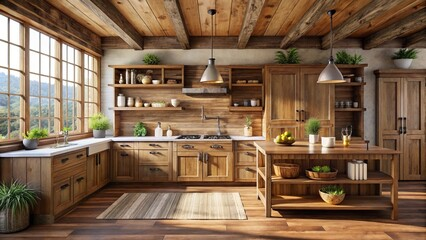

Cabinet Refinishing for Small Kitchen Makeovers

Cabinet Refinishing Sacramento

Cabinets are a key kitchen design element that can influence both the look and functionality of your space. However, over time, even well-maintained cabinets can begin to show signs of wear and tear.

When it’s time to update your kitchen cabinets, homeowners often have two options: refacing or painting. Refacing offers more flexibility for a modernized style while painting is limited to color changes. Visit Cabinet Refinishing Sacramento for more details.

Space-Saving Solutions

The smallest kitchens pose design and storage challenges, but smart planning and cost-effective upgrades can transform them into stylish, functional hubs for cooking, dining, and gathering. Cabinet refinishing and refacing are efficient options for modernizing small spaces, with a variety of options for style and functionality.

The right color palettes, lighting, and storage solutions make a significant difference in the feel and function of a small room. Lighter colors reflect natural light and visually expand the space, while glass cabinet doors create a sleek, contemporary look. Open shelving in strategic locations can provide ample space for decorative items and reduce visual clutter.

Customized, space-saving storage solutions can help maximize existing cabinetry, ensuring that every inch of your kitchen is used effectively. Install pull-out pantry cabinets for easy access to food and cookware, or use tiered sliding shelves in lower cabinets to store cans, jars, and bags. Customizable drawer dividers are another great way to organize small kitchen storage spaces.

When considering refinishing or refacing, consider the current condition of your cabinets and your long-term goals. Refinishing is a good option for historic preservation or a temporary solution, but it’s not as durable as refacing and will show wear and tear much faster than new cabinetry. Refacing, on the other hand, typically recoups between 70-80% of the investment at resale and offers the flexibility to choose from an extensive range of door styles and finishes.

Kitchen countertop materials offer a wide array of style and practicality options, from sleek, high-performance quartz to classic marble, natural granite, and more. The best choice for your home depends on the amount of traffic and usage, as well as your budget. A professional can advise you on what would work best in your space.

While refacing isn’t as easy as swapping out outdated hardware or adding a new backsplash, it’s an excellent way to transform the look of your entire kitchen and increase the value of your home without the time and expense of complete kitchen remodeling. A fresh coat of paint can revitalize tired cabinetry, or you can go for a more dramatic transformation with a textured finish like faux-granite or a modern wood veneer.

Aesthetics

Cabinet refinishing is a practical choice for homeowners who want to refresh their kitchen’s aesthetic without spending a fortune. If your cabinets are free from major damage, refinishing can give them a fresh new look that boosts aesthetics and durability. The process involves repairing any surface imperfections, sanding down rough areas, and then applying new stain or paint to the existing cabinets. Choose from a wide array of colors and finishes to create the perfect look for your space, and add custom touches to elevate the overall design.

Choosing the Right Color

The first step in cabinet refinishing is selecting the ideal paint color. To help you make the best decision, purchase several sample pots of paint and apply them to large pieces of wood or cardboard. Observe the colors in natural light and in artificial lighting, and take into account how undertones may impact how they appear in your home’s lighting.

Once you’ve settled on a color, test it in your space to see how it works with the rest of your kitchen. Consider whether the shade can withstand everyday wear and tear, and also how well it will complement your appliances, backsplash, flooring, and countertops. Finally, consider your cabinet hardware. Knobs, handles, pulls, and hinges come in a variety of materials, shapes, and finishes to compliment your chosen cabinet finish.

Time-Saving

Cabinet replacement can be a lengthy process, and your kitchen will be out of commission during construction. In contrast, cabinet refinishing can be completed in a much shorter period of time, minimizing disruption to your daily routine.

Environmentally Responsible

Cabinet refinishing is a greener option than cabinet replacement because it uses the existing cabinets. Purchasing and installing new cabinets means producing and transporting new materials, which contributes to waste and carbon emissions. Refinishing your cabinets reduces waste by reusing existing materials and avoids adding to landfills, making it an eco-conscious choice for environmentally conscious homeowners.

Whether you’re looking for a cost-effective update or a complete style overhaul, cabinet refinishing can transform your space in a matter of days. Choose from a range of colors, finishes, and textures to create the perfect look for your home, and finish off the look with modern upgrades like soft-close hinges and crown molding.

Functionality

The kitchen is the heart of a home, so when it feels outdated or worn down, it can affect the entire living space. The instinct for many homeowners is to completely renovate the room, but a full renovation can be expensive and disruptive. Cabinet refinishing offers a practical and affordable alternative, revitalizing the appearance of existing cabinets with fresh paint and other enhancements that can make a big difference to your space.

Cabinet refinishing is a quicker process than replacement, typically completing within days and minimizing the impact on your daily life. It also allows you to keep the structural integrity of your cabinets, which may not be possible with a complete replacement. It can be an ideal choice for historic preservation, as well as a temporary solution if you are planning a larger remodeling project in the future.

With the right finishing technique, refinishing can add a beautiful and durable finish to your cabinets. The coatings are applied in multiple thin coats, allowing the surface to better resist scratches and other wear. In addition, the refinishing process uses a special sealer to protect your investment and keep your cabinets looking new for years to come.

When it comes to refinishing, a skilled team can create a dramatic transformation that is truly stunning. They can work with the natural grain of your wood and apply a custom color to create a look that is uniquely yours. The result is a sleek and modern aesthetic that can dramatically enhance your kitchen’s overall functionality and style.

As a cost-effective alternative to replacement, cabinet refinishing can free up budget for other kitchen improvements. For example, you could install a new countertop or flooring to complement your refreshed cabinets and enhance the functionality of your kitchen. You could also add a backsplash to create a bold accent and increase the visual appeal of your kitchen.

The most important benefit of choosing cabinet refinishing is that it’s an eco-friendly option. Replacing cabinets requires the purchase and disposal of new materials, which places a heavy burden on our landfills and environment. Refinishing your existing cabinets conserves resources, reduces waste, and minimizes your environmental footprint, making it the responsible choice for homeowners concerned about sustainability.

Budget

If you’re thinking of a budget-friendly kitchen update, cabinet refinishing may be the best choice. The cost is typically much less than a full replacement, and it’s a great option for a quick refresh that won’t leave your home unusable. Professional cabinet painting involves meticulous prep work, sanding, and spraying to ensure a flawless finish. That’s why it’s important to get a detailed quote from a trusted team, so there are no surprises.

A key consideration is your existing cabinet boxes’ condition. While refinishing can hide scratches and blemishes, it can’t cover deep gouges or deterioration. If your cabinets’ underlying structure is weakened, refacing might be a better choice.

Both options are a big investment in your home, and the best way to determine which one is right for you is to consult a trusted professional. They can help you understand the costs involved, and provide you with an itemized estimate that covers all aspects of your project.

Refacing is a more comprehensive solution that includes installation of new cabinet doors and drawer fronts. It also involves modifying or replacing the existing hardware, and may require a contractor to perform plumbing or electrical work if layouts are changed. Refacing can be more expensive than refinishing, but it offers greater flexibility when it comes to style and functionality. It’s important to think through your preferences carefully before making a decision, so you’re happy with the result for years to come. Getting a clear picture of your project’s timeline, how it impacts your budget, and what long-term care looks like will help you move forward confidently.

The Modern Shift Behind The Affiliate Franchise Revolution

The Affiliate Franchise Review has quickly become a name that sparks curiosity in digital circles. Its growing reputation as a system that blends collaboration and independence makes it stand out. Many are wondering whether it truly represents a new era of online entrepreneurship. This review dives into how it reshapes the way people view digital ownership and growth.

marketing

At its core, The Affiliate Franchise redefines what it means to build a network-driven model. Instead of relying solely on traditional affiliate structures, it integrates a sense of shared purpose. Users are encouraged to act as both learners and leaders within their environment. This dual function turns passive participants into active contributors.

The concept draws attention because of its hybrid approach. It mixes the scalability of digital systems with the accountability of personal business ownership. This combination creates a framework that adapts to modern demands. People no longer seek just commissions; they seek influence and identity in what they promote.

Unlike conventional programs that focus on numbers, The Affiliate Franchise highlights depth. It encourages connection and storytelling over simple transactions. This emotional link transforms selling into advocacy. The result is a more human-centered form of growth that resonates with both creators and audiences.

One reason for its popularity is its ability to simplify complexity. It breaks down layered marketing concepts into manageable actions. This accessibility opens opportunities to individuals who may lack prior experience. Over time, the system builds confidence while nurturing competence.

The Affiliate Franchise operates like a digital ecosystem rather than a linear process. It interconnects members through shared data, insights, and strategies. This allows collective learning to happen faster and with more precision. The result is a continuous loop of improvement fueled by collaboration.

Another defining characteristic is how it incorporates adaptability into its design. Users can personalize their paths depending on their goals and pace. This fluid model prevents burnout and encourages steady progress. It feels designed for longevity rather than short-term gains.

Its success also lies in how it aligns with modern work psychology. People crave autonomy yet value belonging. The Affiliate Franchise merges both through structured independence. This balance keeps motivation high while promoting accountability.

Technology plays a silent yet powerful role in its structure. Behind every interaction lies a system that analyzes and adjusts performance. This constant optimization helps participants refine their approach in real time. It becomes less about guessing and more about understanding behavior.

Interestingly, The Affiliate Franchise avoids the rigidity often found in digital systems. Instead of dictating one formula, it provides guiding principles. This freedom empowers users to infuse their personality into their work. Authenticity becomes a key metric of success, not just conversion rates.

From an operational perspective, scalability stands as one of its strengths. Whether one starts small or aims for expansion, the system adjusts. This flexibility attracts a diverse range of participants with varying goals. It creates an inclusive environment that thrives on diversity of thought and strategy.

Performance metrics in The Affiliate Franchise aren’t limited to sales outcomes. It emphasizes learning, retention, and network strength as equally valuable indicators. This multidimensional approach creates a more sustainable form of growth. Instead of chasing immediate results, users cultivate lasting foundations.

The onboarding experience reflects its attention to human learning patterns. Participants are guided through interactive pathways rather than static tutorials. This makes the learning curve smoother and more engaging. It mirrors modern educational principles where experience enhances comprehension.

What makes it different from traditional systems is its emotional architecture. It encourages purpose-driven engagement, where values align with actions. This creates a sense of belonging that transcends profit. People join not just to earn but to grow with meaning.

The Affiliate Franchise also highlights transparency in its operations. Members understand how processes work, where data goes, and how outcomes are shaped. This openness builds a culture of trust that reinforces loyalty. In the digital age, that trust becomes its own form of currency.

Automation within the platform functions as a supportive layer, not a replacement. It assists without removing the human touch. This thoughtful balance ensures efficiency while preserving connection. As a result, users feel guided rather than controlled.

Collaboration forms the foundation of its strategy. Users share best practices, feedback, and experiences in real time. This shared knowledge accelerates improvement across the entire network. It’s a collective intelligence model rather than an individual race.

The psychological impact of such a system cannot be understated. Participants often report higher satisfaction and reduced stress levels. The community-oriented approach mitigates isolation, a common issue in digital entrepreneurship. This emotional resilience becomes a silent but vital advantage.

Another compelling feature lies in its mentorship dynamic. Experienced members support newcomers, creating a self-sustaining cycle of growth. This organic transfer of wisdom strengthens the community. It blurs the line between teacher and learner in the best possible way.

The financial model operates on fairness and proportional contribution. Rewards align with effort, innovation, and consistency. This performance-based structure motivates without exploiting. It brings integrity back into the affiliate landscape, which has long struggled with skepticism.

One unique observation is how it nurtures creativity. By giving users freedom within structure, it invites experimentation. People learn what works through exploration rather than imitation. This cultivates innovation and a stronger personal brand identity.

User feedback suggests that The Affiliate Franchise evolves alongside its members. Updates reflect real user experiences and data-driven insights. This responsiveness gives participants a sense of co-ownership. They aren’t just users—they are part of its ongoing evolution.

The technical architecture also deserves recognition for its stability. Processes remain consistent even during high activity. This reliability enhances trust and user satisfaction. A seamless experience keeps focus on growth, not troubleshooting.

A growing trend among users is the feeling of empowerment. The system encourages self-reflection and accountability. Success feels earned, not accidental. This psychological ownership builds resilience and long-term motivation.

Another underrated strength is how it handles communication. Channels remain open, respectful, and inclusive. This ensures that feedback leads to actual improvement. It’s a rare example of technology that listens as much as it guides.

The Affiliate Franchise also touches on the idea of digital citizenship. It reminds users that online spaces can be ethical and community-driven. Through shared accountability, it fosters a responsible digital culture. That cultural awareness adds depth beyond mere profit-making.

Looking deeper, it becomes clear that the system’s sustainability stems from alignment. Each component—technology, psychology, and economics—works in harmony. This synergy creates an environment where growth feels natural. It’s a system built for humans first, and algorithms second.

There’s a noticeable emphasis on narrative building. Users are encouraged to craft stories around their journey. This storytelling element adds emotional resonance to their work. In turn, audiences connect more deeply with authentic voices.

The feedback analytics system functions like a mirror. It reflects both strengths and blind spots objectively. This transparency enables smarter adjustments rather than reactive decisions. Over time, users develop a sharper intuition for what drives success.

Critics might argue that its holistic nature could overwhelm newcomers. However, gradual immersion helps ease this challenge. The structured guidance softens the learning curve while maintaining autonomy. It’s a learning process that adapts rather than dictates.

In terms of results, users often report steady and predictable growth. The compounding effect of consistent action builds momentum. Rather than overnight success, it promotes cumulative mastery. This realistic pace makes success more attainable and enduring.

An often overlooked benefit is the sense of community pride. People celebrate collective wins as much as personal achievements. This social reinforcement fuels motivation and belonging. It’s proof that growth thrives in shared spaces.

From an ethical standpoint, The Affiliate Franchise sets a positive standard. Its structure avoids exploitative tactics that plague other systems. Fairness and education are woven into its foundation. This integrity-driven model restores credibility to the affiliate space.

The learning culture it fosters extends beyond business skills. Many users report improvements in communication, time management, and leadership. These secondary benefits compound its overall impact. The experience becomes as transformative personally as it is professionally.

Looking ahead, The Affiliate Franchise signals a shift in digital entrepreneurship. It merges the principles of collaboration, autonomy, and innovation. This blend may shape the next generation of online business systems. It offers a blueprint for how digital growth can remain human-centered.

In the end, The Affiliate Franchise isn’t just a program—it’s an evolving philosophy. It teaches that sustainable success comes from shared purpose, adaptability, and authenticity. Its blend of technology and humanity sets a new benchmark for digital collaboration. As the landscape continues to evolve, systems like this will likely define the future of online enterprise.

Navigation