Tag: Electrician

Generator Installation: Ensuring Reliable Backup Power for Homes and Businesses

Power interruptions can disrupt daily routines, compromise safety, and cause costly damage to equipment and property. Generator installation provides a dependable backup power solution that helps maintain essential operations during outages. Whether for residential or commercial use, a professionally installed generator ensures a continuous power supply when the primary electrical source is unavailable.
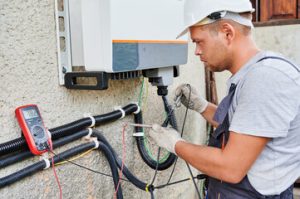
generator installation

Generator installation is a strategic investment in reliability and preparedness. Modern generators are designed to activate automatically during power loss, restoring electricity within moments. Understanding how generator installation works and why professional installation is important helps property owners make informed decisions about backup power solutions. Check our Website for personalized guidance.

Understanding Generator Installation

Generator installation involves integrating a backup power system into a property’s electrical infrastructure. This process includes selecting an appropriate generator size, connecting it to the electrical system, and ensuring safe operation during outages.

Generators supply electricity to essential circuits or entire properties, depending on system capacity. Proper installation ensures that power transitions smoothly and safely without risking damage to electrical components or appliances.

A well-installed generator provides peace of mind by supporting critical systems such as lighting, heating, cooling, and communication equipment.

Why Generator Installation Is Important

Generator installation protects properties from the consequences of power outages. Extended outages can lead to discomfort, food spoilage, and potential safety hazards. For businesses, outages can result in downtime and financial losses.

A backup generator provides stability during unpredictable power disruptions. It allows essential systems to continue functioning, maintaining comfort and productivity.

Key benefits of generator installation include:

  1. Continuous power supply during outages
  2. Protection for sensitive electronics and equipment

These advantages make generator installation a valuable addition to modern properties.

Types of Generators Used for Installation

Generators come in different types, each designed for specific needs. Understanding these options helps property owners select a system that aligns with their power requirements.

Standby generators are permanently installed and activate automatically when power is lost. Portable generators offer flexibility but typically require manual operation and limited capacity. Inverter generators provide efficient, quieter power for specific applications.

Choosing the right generator type is an essential part of the installation process.

Assessing Power Needs Before Installation

Accurate assessment of power needs is critical for successful generator installation. An undersized generator may fail to support essential systems, while an oversized unit may result in unnecessary costs.

Professionals evaluate electrical loads to determine the appropriate generator capacity. This assessment considers appliances, equipment, and systems that must remain operational during an outage.

A thorough evaluation ensures optimal performance and efficiency.

The Generator Installation Process Explained

Generator installation follows a structured process to ensure safe and reliable operation. Each step is designed to integrate the generator seamlessly with the existing electrical system.

The installation process typically includes:

  1. Site evaluation and system planning
  2. Electrical connection and system testing

During site evaluation, placement considerations such as ventilation, accessibility, and safety are addressed. Electrical connections are then completed using proper transfer equipment to ensure smooth power transitions.

Importance of Transfer Switch Installation

A transfer switch is a critical component of generator installation. It manages the flow of electricity between the utility source and the generator, preventing backfeeding and ensuring safe operation.

Automatic transfer switches detect power loss and activate the generator without manual intervention. Manual transfer switches require user operation but still provide essential safety protection.

Proper transfer switch installation ensures that backup power is delivered safely and efficiently.

Safety Considerations in Generator Installation

Safety is a top priority during generator installation. Improper installation can lead to electrical hazards, carbon monoxide risks, and equipment damage.

Professional installers follow strict safety protocols, including proper grounding and ventilation. These measures protect occupants and ensure reliable generator operation.

Safe installation practices are essential for long-term performance and peace of mind.

Generator Installation for Residential Properties

Residential generator installation focuses on maintaining comfort and safety during outages. Home generators can support critical systems such as lighting, refrigeration, and climate control.

Professionally installed generators operate automatically, providing seamless backup power without disruption. This convenience makes residential generator installation increasingly popular.

Homeowners benefit from reliable power that supports daily living during unexpected outages.

Generator Installation for Commercial Properties

Commercial generator installation addresses the need for uninterrupted operations. Businesses rely on continuous power to maintain productivity, protect data, and support customer services.

Commercial generators are designed to handle higher electrical loads and complex systems. Professional installation ensures that these generators integrate effectively with existing infrastructure.

Backup power solutions help businesses minimize downtime and maintain operational stability.

Maintenance Considerations After Installation

Proper maintenance is essential for ensuring generator reliability. Regular inspections and testing help identify potential issues before they impact performance.

Maintenance tasks may include checking fuel systems, inspecting electrical connections, and testing automatic activation. Routine care extends the lifespan of the generator and ensures readiness during outages.

Scheduled maintenance supports dependable backup power when it is needed most.

Environmental and Efficiency Considerations

Modern generators are designed with efficiency and environmental impact in mind. Advances in technology have improved fuel efficiency and reduced emissions.

Efficient generator installation minimizes fuel consumption while providing reliable power. Proper sizing and placement also contribute to optimal performance.

Considering efficiency helps property owners balance power needs with responsible energy use.

Choosing Professional Generator Installation Services

Generator installation requires specialized expertise and adherence to safety standards. Professional installers have the knowledge and tools necessary to complete installations correctly.

Professional generator installation services typically offer:

  1. Accurate power assessments and system recommendations
  2. Safe installation with thorough testing and verification

Working with experienced professionals ensures that generators perform as intended.

Long-Term Benefits of Generator Installation

The long-term benefits of generator installation extend beyond immediate backup power. A reliable generator adds value to a property and enhances preparedness for future outages.

Backup power systems reduce stress during emergencies and support the continuous operation of essential systems. Over time, this reliability contributes to improved comfort and productivity.

Generator installation is an investment in resilience and security.

Preparing for Power Outages With Generator Installation

Power outages are unpredictable, but preparation reduces their impact. Generator installation provides a proactive solution that ensures readiness for various scenarios.

With a professionally installed generator, properties can maintain essential functions regardless of external power disruptions. This level of preparedness offers confidence and stability.

Planning ahead with generator installation supports long-term resilience.

Generator installation is a practical and effective solution for ensuring an uninterrupted power supply during outages. From assessment and planning to installation and maintenance, every step plays a role in system reliability.

Professional installation ensures safe integration with existing electrical systems and delivers dependable backup power. By investing in generator installation, property owners can protect their comfort, operations, and peace of mind.

Electrical Contractors and Project Management

Electrical project management includes a broad set of skills. Some of the main responsibilities include: planning, cost control, scheduling, and safety protocols.

Project managers are responsible for creating detailed timelines and establishing budgets to deliver electrical construction projects safely, on time, and within scope. They also coordinate with vendors and clients to ensure everyone stays on the same page. For more information, contact Electrical Contractors Jacksonville, NC.

Planning and Scheduling

Electrical Contractors

Electrical projects involve complicated wiring, power distribution and specialized equipment, often requiring technical expertise, strict safety codes and precise material delivery schedules. Skilled project management is the key to avoiding scope creep, schedule slips and ballooning costs. Informed planning and optimized scheduling activities are the foundation of any capital project.

To make sure that a project will be completed in the time frame required, the first step is to develop a detailed project schedule. This involves breaking the overall project into smaller, more manageable tasks and identifying the resources (people, materials, equipment) needed to complete each task within the required timeline. Then, the schedulers must determine which tasks are critical and monitor their progress throughout the project to ensure that they remain on track.

During the scheduling process, it’s also important to consider how different scenarios might impact the overall timeline, including potential delays and impacts from external forces such as weather or supply chain disruptions. A competent scheduler will regularly review the look-ahead schedule to assess the current state of the project and identify any changes that might need to be made.

As part of this review, the schedulers must examine how each individual task is progressing and look for any areas where resources are over-allocated. Then they must adjust the schedule to address this issue, for example by delaying or redistributing tasks.

A contractor scheduling system can help you better organize, plan and execute projects. These systems typically include resource management software, project management software and automated scheduling software. They can help you improve coordination between field workers and office staff, keep records of customer service requests and prevent costly errors like double booking materials and labor.

When choosing a contractor scheduling system, look for one that offers a flexible licensing option so you can scale up or down as necessary. Many software vendors offer either a one-time license fee or a subscription-based model that allows you to pay for ongoing access to the system as needed.

Another advantage of an electrical contractor scheduling system is its ability to provide clear-cut summaries of workforce utilization rates by jobsite, region and title. This can help you identify any skill gaps and inform recruitment strategies.

Design

Effective electrical project management requires a combination of meticulous planning, safety measures, and effective communication. The experts at North Central Electric follow electrical best practices to ensure projects are completed on time, within budget, and to the highest standards of quality and safety.

Design activities begin with the pre-design phase, where a client’s specific needs and electrical engineering challenges are assessed. Based on these requirements, a project plan and timeline are developed. This includes defining the scope of work and developing realistic cost estimates before beginning construction. It also involves evaluating permit requirements, codes, utility connections, and other constraints to recommend appropriate electrical solutions.

Next comes the electrical design phase, where the electrical contractor develops technical drawings and equipment schedules that meet the agreed-upon requirements. This includes sizing wires and conduits, locating and installing lighting, equipment, and devices, and configuring backup systems and fire alarms. It also involves researching and recommending electrical solutions that balance constructability, safety, and costs with functionality and aesthetics.

Once the designs are approved, procurement begins. The electrical contractor selects specific makes and models of equipment, wiring, conduits, devices, and controls based on availability, lead times, and quality needs. Procurement may be conducted in phases to minimize impact on project schedules.

During the build phase, the electrical contractor delivers on the project plan by working with subcontractors and general contractors to ensure that materials arrive when needed on site. This requires excellent communication and coordination to avoid conflicts that can result in costly delays or even system failure.

The electrical contractor also ensures that all construction activities are safe and code compliant by conducting periodic inspections, providing training to employees, and ensuring that the project meets industry standards for arc flash assessment, load testing, and control tuning. This is especially important for large-scale industrial projects that require critical uptime.

Unlike the traditional design-bid-build method, the design-build method allows the electrical contractor to handle both the design and build of a project. This streamlines the process, reducing costs and delivery timelines by eliminating the need to hire separate teams of engineers and electricians. By allowing the same team to handle both aspects of the job, there is less chance of miscommunication that can cause costly delays and rework.

Installation

With complex technical specifications, strict safety codes, multiple stakeholders, and precise material delivery schedules, electrical project management is crucial. Without it, project timelines slip and costs balloon. With it, crews meet deadlines and clients get what they need, on time and on budget.

To keep the project on track, electrical contractors use software to manage quoting, scheduling, labor tracking, and change order processing. The right software eliminates communication breakdowns and helps everyone stay on the same page. For example, a quoting system that’s tied into the project pipeline means you can adjust estimates on the fly and convert quotes to active jobs without wasting valuable time.

The most effective electrical project managers have a clear understanding of each task’s scope and how it impacts the overall schedule. That’s why it’s important for them to document all the work that’s done throughout a job. Using a daily job journal, for instance, gives a strong record of what was achieved each day and keeps the team on track to reach project milestones. It also helps with estimating for similar projects in the future.

Residential electrical contractors install everything from wiring new homes to upgrading panel systems. They also make sure houses are ready for smart home systems. Low voltage electrical contractors specialize in systems that operate at 50 volts or less, including security, audiovisual, and data networks. They also install fire alarms and structured cabling for commercial buildings.

For industrial jobs, electrical contractors need to handle heavy-duty equipment and ensure that industrial plants comply with regulations. They often coordinate with engineers to design an electrical system that can support all the necessary machinery. This involves a lot of planning and negotiating with vendors.

As a result, it’s critical for electrical project managers to communicate effectively with their teams and their clients to keep everyone updated. Clear, consistent communication is the best way to prevent mishaps like missed inspections, rework, or service call delays that impact project schedules and profit margins. By using a communication tool that’s built specifically for construction and that offers tools like centralized messaging, daily tasks, and a mobile app, electrical contractors can improve collaboration and reduce the risk of costly mistakes.

Testing and Commissioning

Electrical projects are technically complex, and specialized equipment requires specific handling protocols. Effective project management transforms these challenges into orderly installations and profitable ventures. It also ensures that every installation is safe and follows code, protecting both crew members and end-users of the system.

Testing and commissioning activities are the final frontier of quality assurance in engineering projects. By conducting comprehensive tests, engineers verify that systems function as intended, comply with regulations and standards, and meet client expectations.

The first step in the T&C process is to prepare for testing by establishing an outline T&C strategy, including identifying roles and responsibilities, preparing schedules, and preparing system documentation such as a Systems Manual. This document provides operational information about the systems and their components and is a key deliverable of the T&C process.

During the pre-commissioning phase, functional checks are performed and interconnections tested to identify any issues or malfunctions that may occur prior to systems’ first energisation. Pre-commissioning is also an opportunity to conduct initial safety tests and Electo Magnetic Compatibility (EMC/EMI) assessments, as well as other specialised activities like insulation resistance tests and continuity checks.

When the T&C process is complete, engineers review test results and issue a certificate of conformity, ensuring that all aspects of the design are met. This final handover to the facility owner/infrastructure maintainer/operator is a vitally important milestone for the project.

Running an electrical business is tough. With tight timelines, shifting crews across multiple jobsites, and budgets that are constantly in flux, it’s challenging to stay on top of the work at hand. That’s where a powerful tool like the best project management software for electrical contractors comes in, keeping everyone on track and on budget, from estimating to invoicing.

When choosing a software solution, it’s important to find a platform that works like electricians work, with fast, reliable, built-to-handle jobsite pressure tools. There are many options available, but not all are created equal. For example, some platforms offer great features like cost tracking and change order handling, but lack mobile-first dispatching and field operations tools that can help electrical contractors keep their customers happy.

Navigation